I've been speaking with engineers and PMs inside some of the world's largest and most advanced tech companies to understand what's actually happening with AI adoption on the ground. This is part 3 of 6.
The insight: Fear is driving unsustainable AI adoption
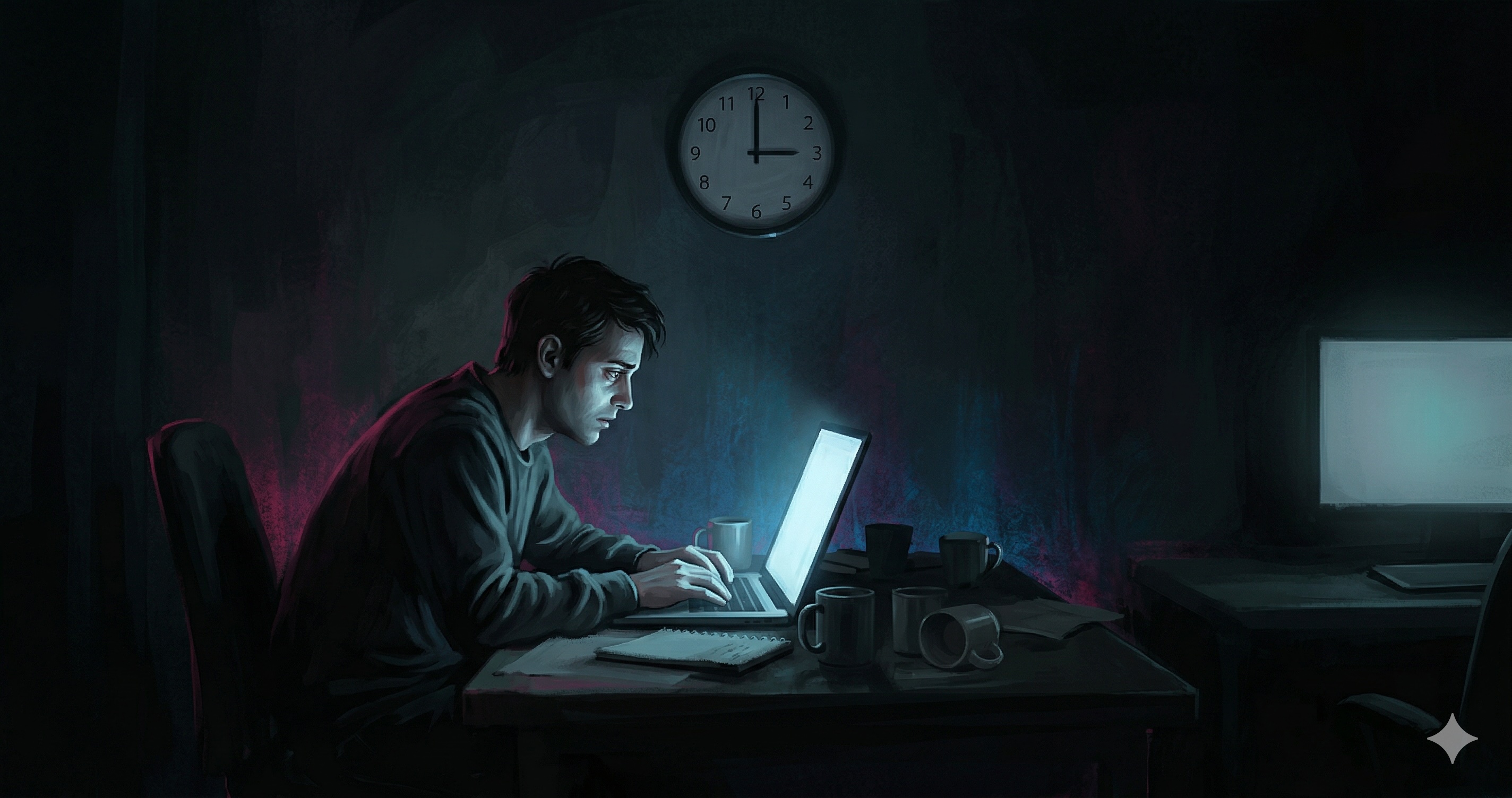
Nobody is mandating that engineers should be working around the clock, the career incentive is doing that on its own. One engineer put it plainly, when speaking about learning these rapidly evolving tools:
"To actually be safe in your career, you probably need to learn them. You can't just sleep on it and be like, yeah, whatever, I'll keep doing my own thing."
A PM I spoke with framed it differently:
"If you're too late to adopt some of the tools, it could very well be that a co-worker of yours is twice as productive."
This isn't enthusiasm, it's (perceived) survival.
And that same PM coined a term for what he's seeing downstream:
"AI psychosis"
People restructuring their sleep schedules to check on AI agents overnight. Teams doing 12-14 hour days during multi-week "lockdown" sprints. A pace he described as
"truly not sustainable for the human brain."
He went further:
"Are they working on something valuable? I see people out there, the crazy among us, that are actually thinking about switching their sleep schedule so that they can periodically throughout the night, occasionally check in on their agents and guide them." ... "F&#k that. This is a bit much."
The practical takeaway: Give people space to learn & experiment
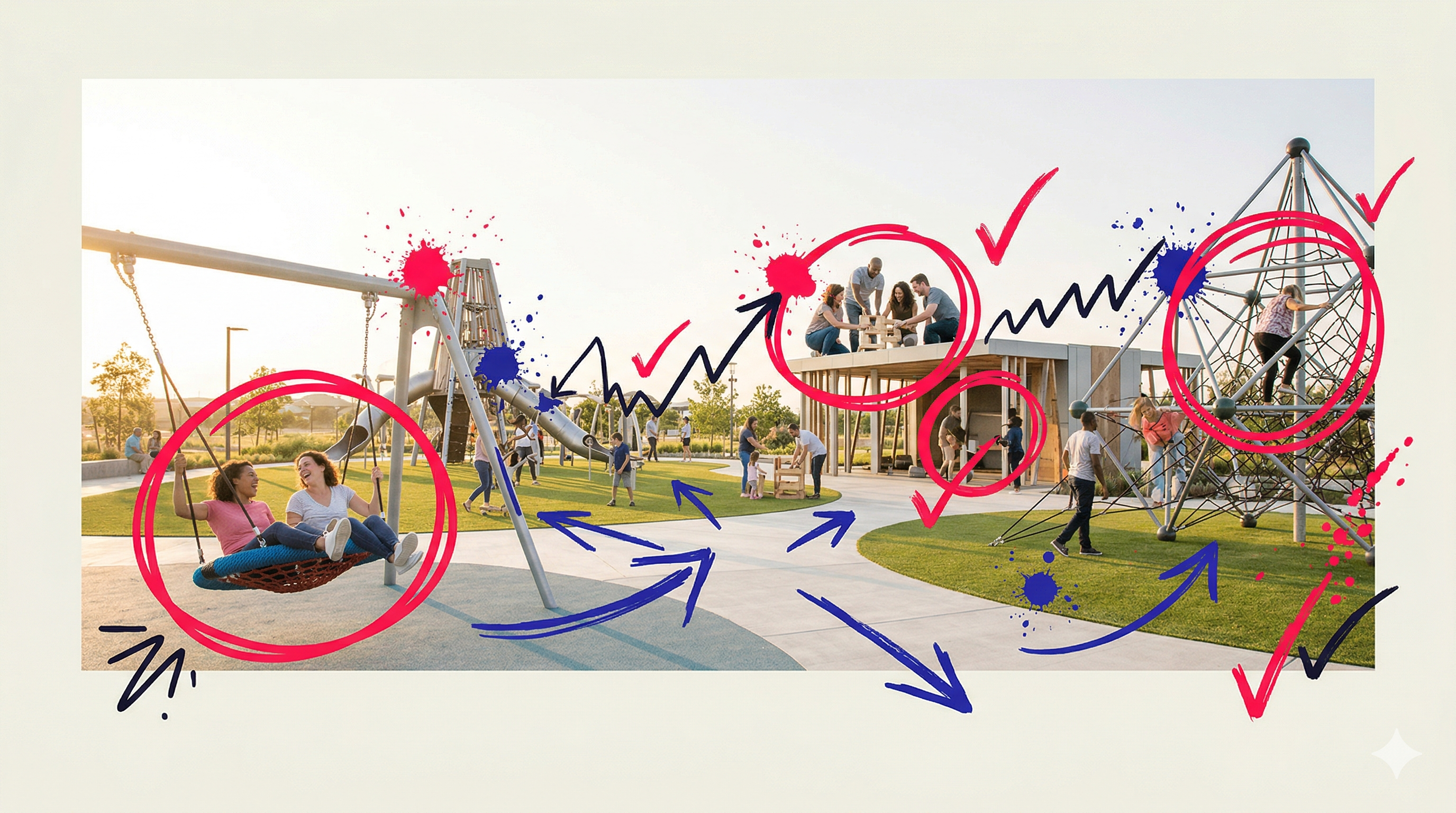
Adoption is happening whether organisations mandate it or not - the career incentive is enough. The real leadership challenge isn't driving adoption; it's shaping how people adopt. That means giving people time and space to learn the tools properly, setting clear expectations about what good AI-assisted work looks like, and being explicit that speed of adoption is less important than quality of adoption.
Because the alternative here is burnout, and apart from the obvious, horrible, unethical human cost, burnout is expensive. In Australia, research found 46% of employees experienced burnout to some degree, and the downstream cost shows up in lost productivity, long stretches of presenteeism, and mental health claims that now carry a median compensation cost of A$58,615 and 34.2 working weeks lost per serious claim (Corporate Mental Health Alliance Australia, 2025; Safe Work Australia, 2024).
Other considerations: Overwork doesn't just burn people out - it degrades the work
If your culture already rewards overwork, where people are allocated at 100%+ across multiple work streams, where "busy" is treated as an indicator of success and output is celebrated over outcomes - AI won't change that culture, it feeds it. Every efficiency gain gets immediately converted into more scope without any breathing room, both to make better decisions and to rest momentarily. You delivered X this sprint, so next sprint the expectation is X+20%. Nobody is having the conversation about what not to do.
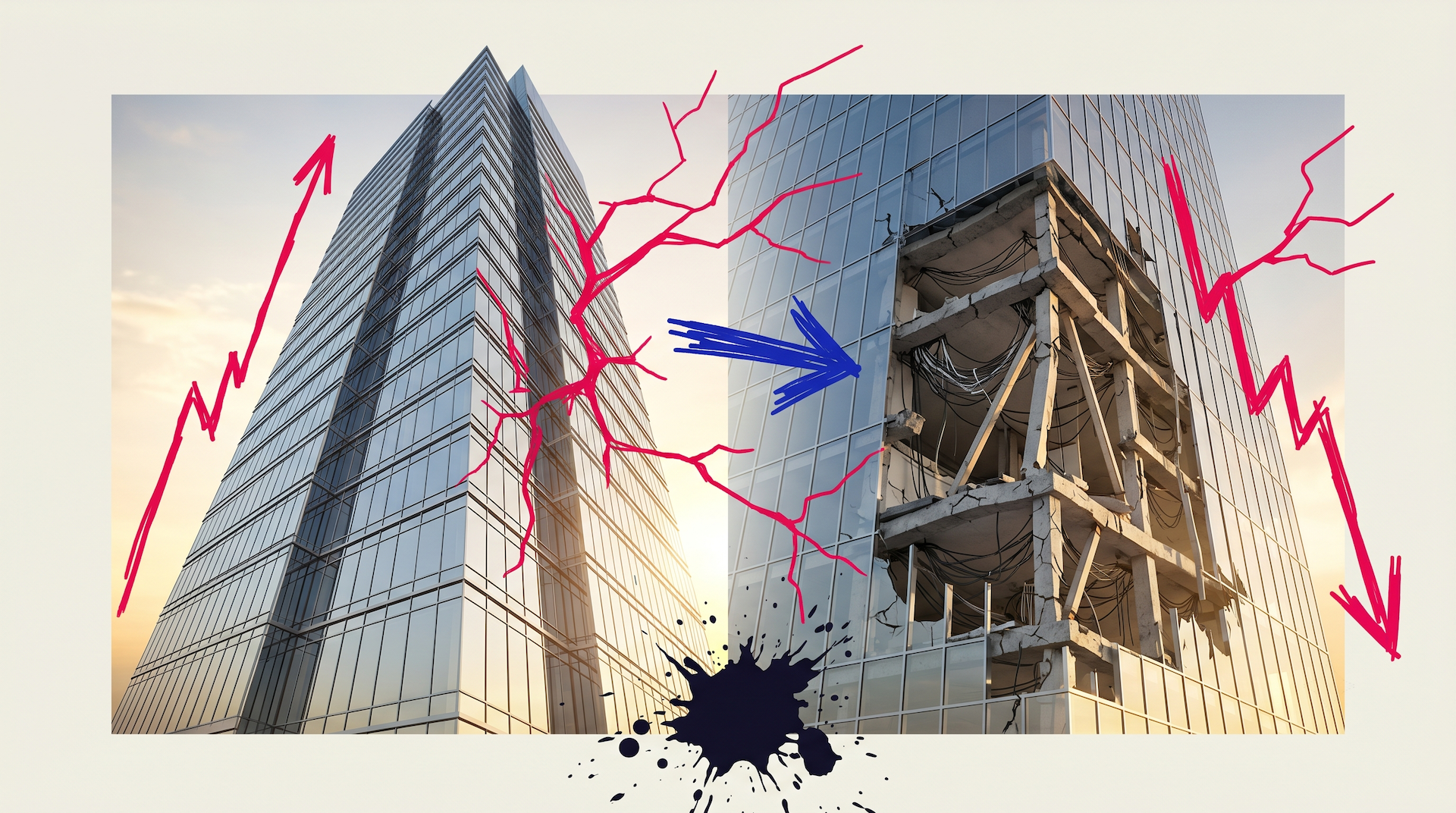
Chronic overwork floods the body with cortisol, and cortisol suppresses exactly the kind of critical thinking that AI-assisted work demands most - the judgment to evaluate output, catch errors and ask whether you're building the right thing. You end up working longer hours to produce work that's worse. Your best people: the senior engineers and product thinkers who are your most valuable AI multipliers - are also the first to leave when the culture becomes unsustainable. And the people who stay, exhausted and stretched, start accepting AI output without scrutiny because they don't have the cognitive bandwidth to push back.
AI adoption accelerates whatever dynamic already exists in your organisation. If that dynamic is healthy, you get compounding returns. If it isn't, you get compounding damage - faster.
Safe Work Australia. (2024). Psychological health and safety in the workplace. (LINK)
Corporate Mental Health Alliance Australia. (2025). The Leading Mentally Healthy Workplaces Survey Report 2025. (LINK)
Catch up: Part 1: Temper your expectations | Part 2: Quality is the new bottleneck
Stay tuned for Part 4: Watch out for Mt. Stupid (Dunning-Krueger Effect)
Hey! I'm Brendan and I'm a Product / Org Advisor at Organa, I help organisations sharpen their strategy, build capability, and improve how they operate so that they create more successful products with greater impact.
If this was an enlightening read and you think your leaders would benefit from hearing more, I'm currently in between engagements and offering free in-house talks for Australian (or APAC) organisations. Shoot me a DM if you're interested in having me come and speak at your company, either on AI Adoption in big tech or on the organisational enablers that are necessary to achieve these gains - product strategy, org design, product management capability.