Transformations are often untidy so let's lean into the mess
Co-author: Sandra Davey
Let’s be honest, transformations are messy.
Not because leaders lack ambition and not because the strategy deck isn’t polished. But because organisations aren’t machines. They’re living systems, and living systems don’t change neatly.
We’ve worked inside dozens of transformations across industries and scales. Some have been bold reinventions whilst others were more subtle shifts in culture, capability or operating model. And a small number of them left us shaking our heads.
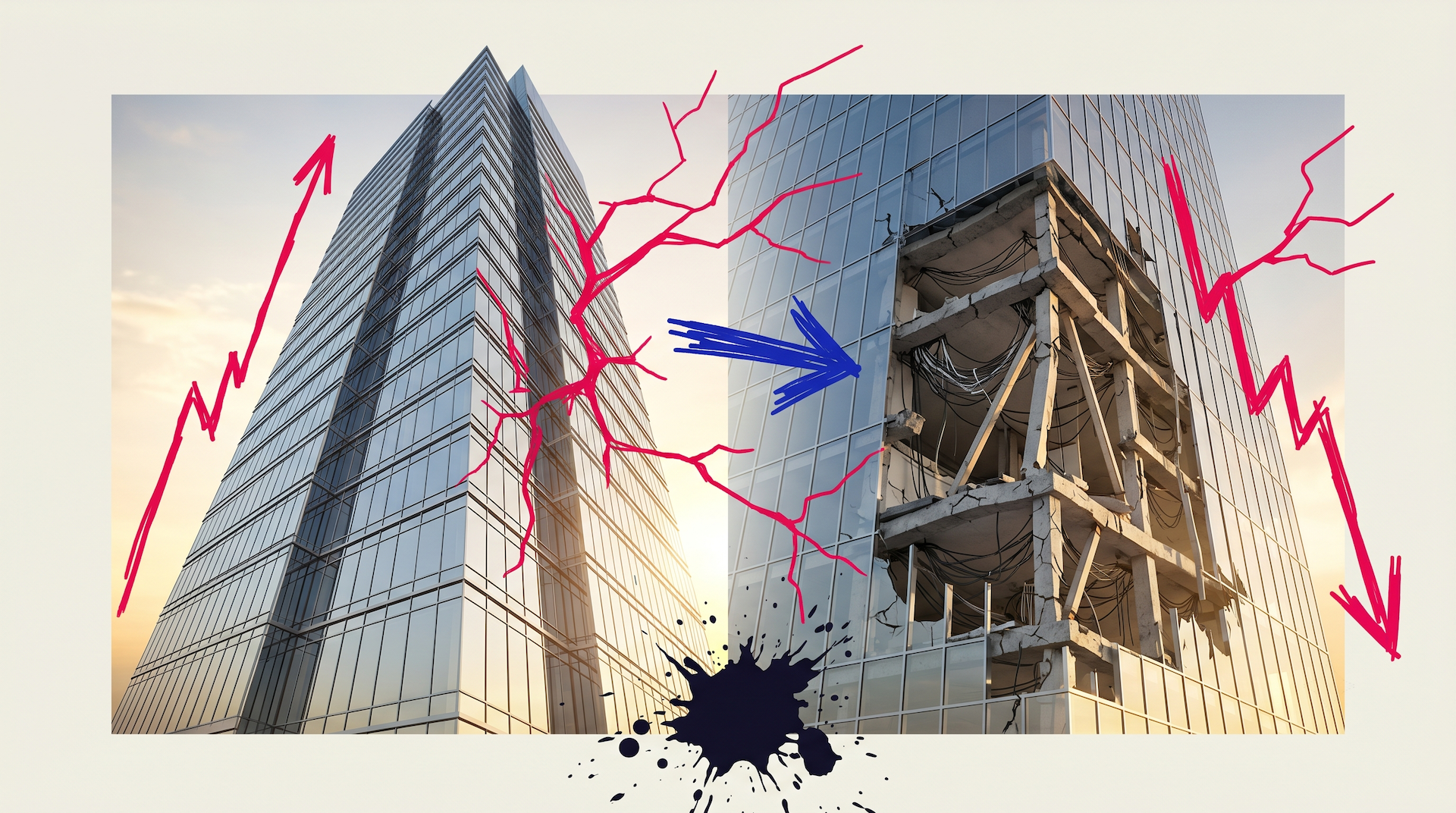
The pattern is familiar. On the surface, everything looks busy and confident yet underneath, the old system is quietly fighting to stay the same.
The illusion of neat change
Most transformations begin with a need, a problem, a threat, an opportunity, sometimes just an aspiration. Entry into a new market, launch of a service line, a new business model, a disruptive threat from a new market entrant, new technology, or a shift towards AI and all that entails.
What they rarely begin with is a deep examination of the trade-offs that will be needed.
You can’t build tomorrow’s model while completely protecting yesterday’s.
You can’t ask people to experiment while measuring them only on certainty.
You can’t talk about empowerment while centralising decisions.
Yet this is where many organisations get stuck. We all want the benefits of change without fully stepping into its consequences.
So the language shifts, slide decks evolve, milestones are invented.
But behaviour stays largely the same and that’s when we notice that transformation becomes theatre.
The recurring tensions we see
Across our work, we’ve seen a few tensions show up again and again.
Clarity that isn’t actually clear
Leaders believe the strategy is understood. Teams are less sure and people struggle to see how today’s decisions connect to tomorrow’s ambition. Worse, people can’t see the links between their work and the change or transformation.
Capacity that doesn’t exist
Transformation gets layered on top of already full jobs. There’s no real space to think, learn or experiment. Fatigue sets in quietly.
Leadership that delegates change
Leaders talk about new ways of working, but continue to decide, measure and behave as they always have. It’s accepted wisdom that people respond to behaviour, not slogans.
Culture that absorbs the shock and carries on
Organisations are remarkably good at preserving themselves. Incentives, habits and informal power structures reinforce the old model long after the new one is announced.
None of this is malicious, it’s just human. Systems protect stability and people protect what they know works.
But if we don’t acknowledge these dynamics, transformation drifts.
A better starting point
Before launching the next initiative, it’s worth pausing. Not to perfect the plan, not write another business case, but to ask some honest questions.
- Is the strategy clear enough that people can make aligned decisions without constant escalation?
- Have we made space for the work of change, or are we pretending it fits into spare capacity?
- Are leaders prepared to change how they behave, not just what they say?
- Are our incentives aligned with the future we’re trying to build?
Transformation isn’t a project plan, it must be a sustained rewiring of how an organisation creates value and learns. Over years we’ve found that it requires clarity, courage and deliberate design.
A practical way to check your foundations
That’s why we created the Transformation Reality Check. It’s a short, simple survey designed to help you see whether your change is built to succeed. Not in theory but in actual practice.
You can complete it on your own or with your team. It surfaces all sorts of insights such as where clarity is strong, where capacity is stretched, and where leadership alignment may need attention.
In all the work we’ve done in this space, we find over and over again that most of the time transformation doesn’t fail loudly, it just drifts quietly into the abyss.
A small pause to check the foundations can make the difference between theatre and the real shifts the organisation wants.
If you’re leading change right now, this is your moment to get honest about it. Please try our Transformation Reality Check and see what your system is telling you.